Why Hispanics are leaving Democrats and might help Trump win again
Why Hispanics are abandoning Democrats â and could put Trump back in the White House
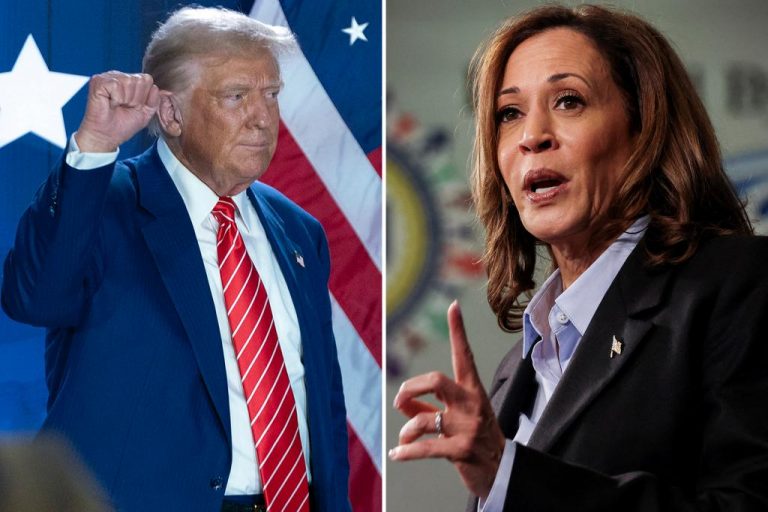
At first glance, it may seem surprising that a growing number of Hispanic voters are shifting away from the Democratic Party, considering the historical alignment between the two. However, recent trends have shown a significant shift in Hispanic voter preferences, with many now turning towards the Republican Party and even showing support for former President Donald Trump.
One of the key factors driving this change is the issue of immigration. While Democrats have traditionally been portrayed as more immigrant-friendly, many Hispanics are starting to realize that the promises made by the party have not always been fulfilled. In contrast, Trump’s tough stance on immigration, including building a wall along the Mexican border, resonates with some Hispanic voters who see it as a way to protect American jobs and security.
Another factor contributing to this shift is the economy. Hispanic voters, like all Americans, care about issues such as job creation, economic growth, and opportunities for upward mobility. Many are attracted to the Republican Party’s message of lower taxes, less regulation, and a strong pro-business stance, believing that this will lead to more prosperity for themselves and their families.
Furthermore, cultural and social issues play a role in attracting Hispanic voters to the Republican Party. Conservative values such as religion, family, and traditional morality align more closely with the beliefs of many Hispanic voters, leading them to support candidates who champion these ideals. The Republican Party’s emphasis on law and order, as well as support for the police, also resonates with Hispanics who prioritize safety and security in their communities.
The Democratic Party, on the other hand, is not immune to criticism from Hispanic voters. Some feel that the party takes their vote for granted and fails to address their concerns adequately. The party’s shift towards more progressive policies, such as defunding the police and expanding government welfare programs, does not always sit well with Hispanic voters who value law enforcement and self-reliance.
Additionally, the Democratic Party’s embrace of identity politics and focus on racial issues can sometimes alienate Hispanic voters who prefer a more individualistic and merit-based approach. While diversity and inclusion are important, some Hispanics feel that the party’s emphasis on identity groups can lead to division and resentment rather than unity and progress.
This changing dynamic within the Hispanic community has significant implications for future elections, especially as Hispanics make up a growing share of the population in key battleground states. In states like Florida, Texas, and Arizona, where Hispanics wield considerable political influence, their shifting loyalties could tip the scales in favor of either party.
In the 2020 presidential election, Trump made notable gains among Hispanic voters, particularly in Florida and Texas, which played a crucial role in his performance in those states. While he ultimately lost the election, his increased support among Hispanics has raised eyebrows and sparked discussions about the changing political landscape.
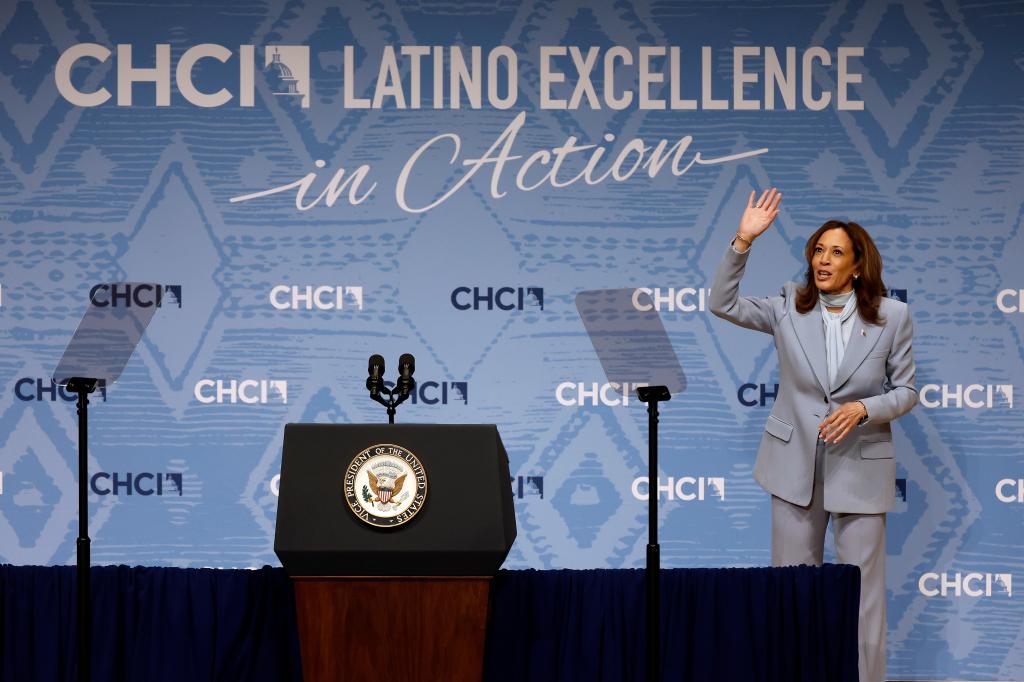
Looking ahead to future elections, both parties will need to adapt their strategies to appeal to Hispanic voters effectively. Republicans will need to continue emphasizing their pro-growth, pro-family message while addressing concerns specific to the Hispanic community. Democrats, on the other hand, will need to re-evaluate their policies and messaging to win back the trust and support of Hispanic voters who feel disillusioned or ignored.
Overall, the evolving relationship between Hispanic voters and the two major political parties in the United States underscores the complexity and diversity of the American electorate. As Hispanic voters become an increasingly influential voting bloc, their preferences and priorities will play a crucial role in shaping the future of American politics.