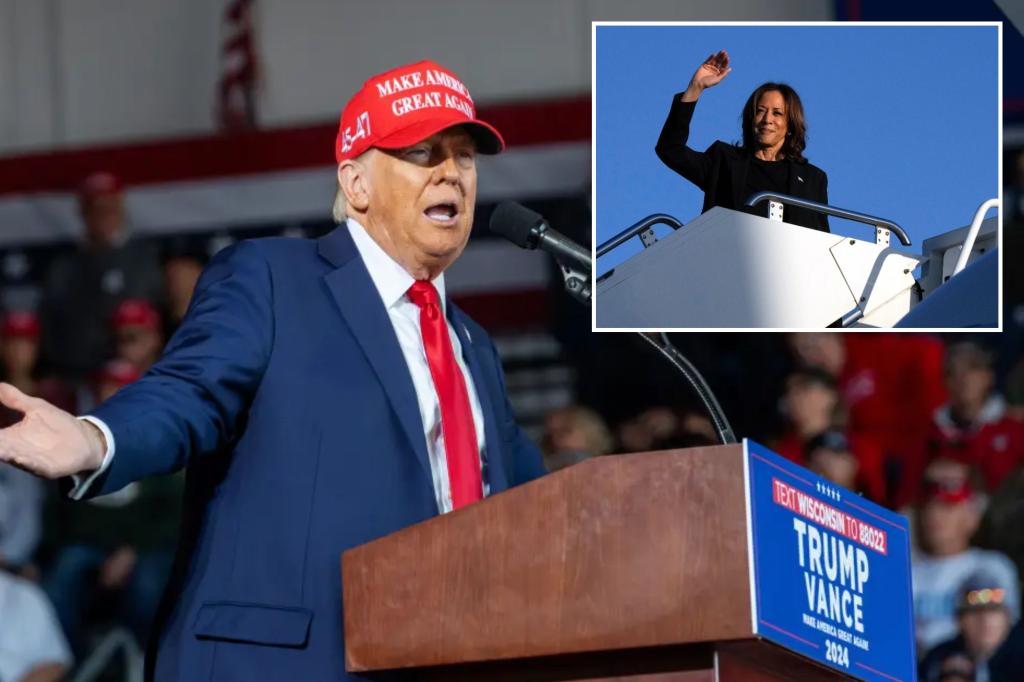
Working-class voters in Philadelphia are starting to support Trump before the election.
As the U.S. presidential election approaches, a significant shift is being observed in the political landscape of Philadelphia. Blue-collar workers, who have traditionally aligned with the Democratic Party, are now showing signs of leaning towards President Donald Trump.
This shift in allegiance has caught the attention of political analysts and experts who are closely monitoring the dynamics at play within the working-class communities of Philadelphia. The trend is particularly evident in neighborhoods that have long been Democratic strongholds, where Trump’s messaging on economic issues seems to be resonating with voters.
One possible factor contributing to this unexpected shift is the impact of the COVID-19 pandemic on the economy. Many working-class families in Philadelphia have been hit hard by the economic fallout of the pandemic, leading them to prioritize economic recovery and job security in their voting decisions.
Trump’s promises of revitalizing American industries, bringing back jobs, and boosting the economy are finding a receptive audience among these voters. The President’s tough stance on trade deals, particularly with China, has also struck a chord with those who feel that American workers have been left behind in the global economy.
Additionally, Trump’s law-and-order approach to issues of public safety and policing resonates with some working-class voters in Philadelphia who are concerned about rising crime rates and social unrest in their communities.
It is clear that the traditional political narratives and assumptions no longer hold true in the current political climate. The emergence of a new breed of working-class voters who are open to crossing party lines and reevaluating their loyalties presents a challenge for both the Democratic and Republican parties.
As the election draws near, both parties will need to fine-tune their messaging and outreach strategies to effectively engage with these voters and secure their support. The outcome of the election may well hinge on how successful each party is in addressing the concerns and priorities of this crucial demographic.
In conclusion, the shifting allegiances of working-class voters in Philadelphia signal a broader trend of political realignment that is reshaping the electoral landscape. The implications of this trend are far-reaching and will likely have a significant impact on the outcome of the upcoming election.