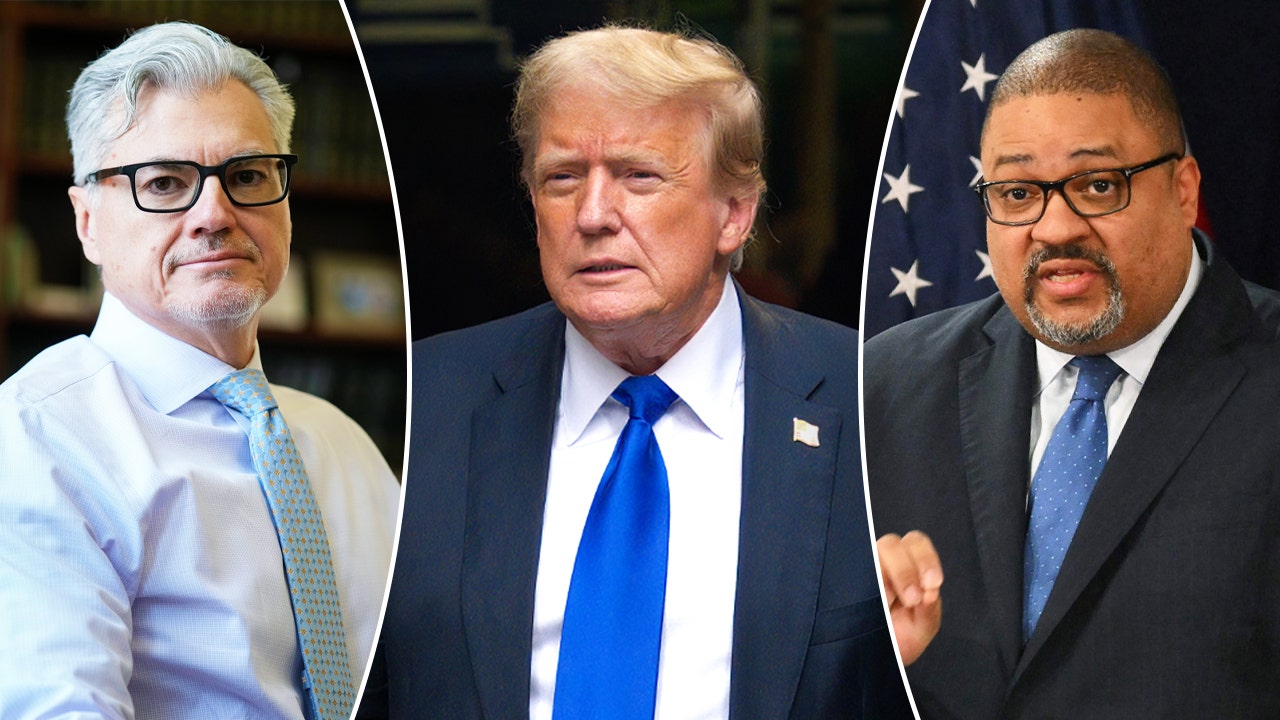
Yale Law professor explains Trump’s possible legal plan after guilty verdict
A Yale Law professor has suggested a potential strategy for former President Donald Trump’s legal team to mitigate the impact of Manhattan District Attorney Alvin Bragg’s case on the 2024 presidential election. After a New York jury found Trump guilty of 34 felony counts of falsified business records, the legal options for Trump’s defense team and the impending appeal process are being closely watched.
In a newly-launched podcast named Straight Down the Middle, Yale Law Professor Jed Rubenfeld delved into the legal avenues available for Trump’s defense team after the jury’s verdict. The most apparent route for Trump’s legal team is to pursue an appeal through the New York Appeals Court system, with the ultimate goal of reaching the Supreme Court. Rubenfeld cautioned that this process could take years and potentially lead to irreparable harm, particularly in the context of affecting the outcome of future elections.
Pointing out surveys indicating a sizeable portion of voters willing to support Trump even if he is a convicted felon, Rubenfeld highlighted the potential interference an unlawful conviction could have on the electoral process. He emphasized the concept of irreparable harm and the significance of addressing any constitutional concerns in a timely manner.
Should the conviction be overturned on appeal in the future, Rubenfeld warned that interference in the election and the outcomes by state actors would remain problematic. He underscored the need for immediate legal action to rectify any potential constitutional violations that could impact the election.
Rubenfeld disputed claims that Trump is already a convicted felon, noting that the judgement of guilt would be formally entered by the judge during sentencing on July 11. He outlined another approach for Trump’s attorneys, suggesting a federal lawsuit and the request for an emergency restraining order to prevent the judgement of guilt until constitutional arguments are assessed.
Expressing concerns over the criminal prosecution of former presidents for unclear crimes, Rubenfeld criticized the timing and nature of the case against Trump. He stressed the importance of transparency in legal proceedings involving high-profile political figures and warned against setting dangerous precedents through ambiguous charges and partisan motivations.
As Trump faces sentencing and a potential prison term, Rubenfeld called for swift federal court intervention to assess the legality of the prosecution. He highlighted the need for a thorough review of the constitutional aspects of the case to safeguard the integrity of the electoral process.
With Trump’s sentencing scheduled just days before the Republican National Convention, the legal and political implications of the case remain significant. Rubenfeld’s analysis underscores the complexity and urgency of addressing constitutional concerns amid a highly charged legal and political climate.
As the legal battle continues to unfold, the nation watches closely to see how the courts will navigate the intersection of law and politics in a case that could have far-reaching implications for future elections and the rule of law.