Zuckerberg promises to protect Meta’s content from government influence.
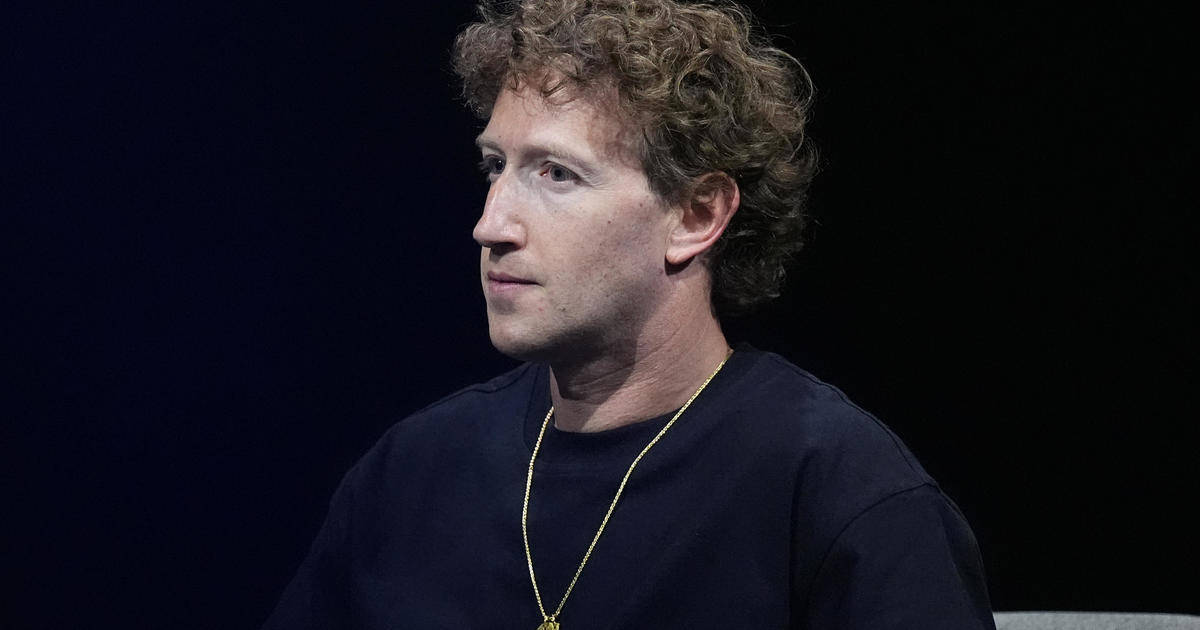
Welcome to the Boston Post News network! Today’s article delves into the recent stand taken by Meta CEO Mark Zuckerberg against U.S. government pressure on his social media platforms in 2021. Zuckerberg, the man behind social media giants like Facebook, Instagram, and WhatsApp, has expressed his strong beliefs about maintaining content standards and resisting attempts to censor certain COVID-19 content.
In a letter addressed to House Judiciary Committee Chairman Jim Jordan, Zuckerberg highlighted various controversies surrounding content moderation on his platforms. Amid the intense U.S. presidential campaign, characterized by widespread online misinformation, Zuckerberg’s stance on government interference in content moderation is significant.
Specifically addressing the handling of COVID-19 content, Zuckerberg criticized the Biden administration for pressuring his teams to censor specific COVID-19 content, including humor and satire. He admitted that he believes the government’s pressure was wrong and expressed regret for not being more vocal about it at the time.
Emphasizing the importance of maintaining content standards without succumbing to external pressures, Zuckerberg asserted that Meta is prepared to push back against similar attempts in the future, irrespective of the administration in power. This firm stand on free speech issues garnered praise from Republicans, who viewed Zuckerberg’s letter as a victory for the cause.
In response to allegations of social media platforms suppressing conservative views, Zuckerberg clarified Meta’s commitment to neutrality. He cited the example of refraining from funding non-profits supporting U.S. electoral infrastructure in light of Republican concerns about partisan influence. Previously, Zuckerberg’s philanthropy venture, the Chan Zuckerberg Initiative, had donated $400 million for this purpose.
The letter also shed light on another contentious issue regarding Facebook’s handling of a story involving President Biden’s son, Hunter, published by the New York Post. Zuckerberg revealed that the story was temporarily demoted on the platform while fact-checkers investigated its potential ties to Russian disinformation. However, it was later determined not to be part of such an operation, prompting Meta to revise its policies to prevent similar instances in the future.
Mark Zuckerberg’s unwavering stance on content moderation and free speech issues highlights the challenges faced by social media platforms in navigating political pressures while upholding their content standards. As the debate on online misinformation and censorship continues to evolve, Zuckerberg’s letter serves as a testament to Meta’s commitment to transparency and accountability in addressing these complex issues.